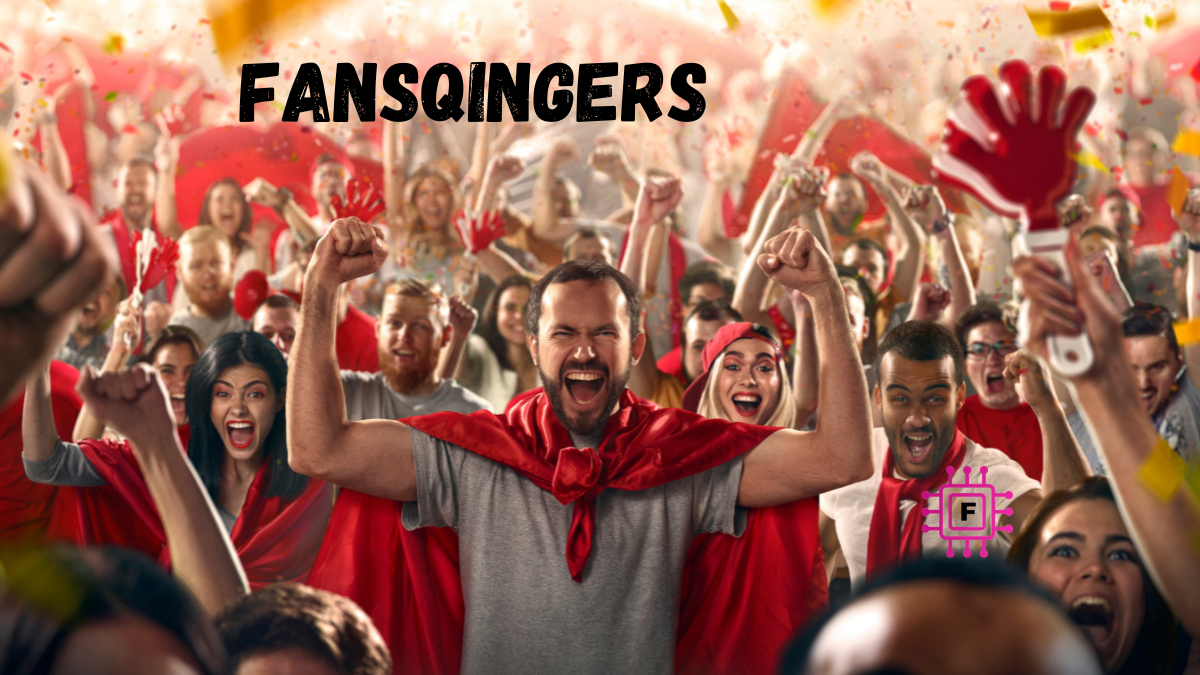
The digital age has transformed fandom from passive consumption to active co-creation, and at the heart of this revolution lies a powerful, often overlooked force: fansqingers. These aren’t just casual enthusiasts—they’re the architects of viral trends, the guardians of niche communities, and the unsung heroes turning fleeting interests into cultural movements. If you’ve ever wondered why certain fandoms thrive while others fade, fansqingers hold the answer. This article dives deep into who they are, why they matter, and how their influence is redefining online engagement.
What Exactly Are Fansqingers?
Fansqingers (a portmanteau of “fan,” “squint,” and “linger”) describe hyper-engaged community members who obsessively analyze, reinterpret, and amplify content through a lens of deep emotional investment. Unlike passive followers, they actively “squint” at details others miss and “linger” in discussions long after trends fade. Originating in niche online spaces like K-pop stan Twitter or indie game forums, fansqingers thrive on transforming surface-level fandom into meaningful cultural dialogue.
#### Key Characteristics of Fansqingers
- Obsessive Detail Orientation: They dissect lyrics, frame-by-frame animations, or lore Easter eggs, uncovering layers of meaning that fuel community theories.
- Community Alchemy: By bridging gaps between casual fans and creators, they turn fragmented groups into cohesive ecosystems.
- Content Remix Culture: They repurpose official material into memes, fan art, or analytical threads, making fandoms self-sustaining.
- Emotional Resilience: They navigate toxicity and burnout by anchoring their passion in shared purpose, not just hype.
Why Fansqingers Are Non-Negotiable for Fandom Success
In an era of algorithm-driven engagement, fansqingers offer something algorithms can’t replicate: authentic human connection. Their impact extends far beyond retweets—they’re the bedrock of fandom longevity.
#### The Ripple Effect of Fansqingers
- Cultural Amplification: When a fansqinger decodes a hidden symbol in a music video, it sparks global conversations, forcing mainstream media to take notice. Example: The “BTS Universe” lore, built by fansqingers, turned a K-pop group into a storytelling phenomenon.
- Economic Power: Brands ignore fansqingers at their peril. Their grassroots campaigns (e.g., #SaveTheOA) have revived canceled shows, proving that fansqingers directly influence corporate decisions.
- Inclusive Spaces: By championing marginalized voices within fandoms, they foster environments where diversity isn’t just tolerated but celebrated.
#### Challenges Facing Fansqingers
Despite their influence, fansqingers operate in a minefield of modern fandom pitfalls:
1. Burnout Culture: The pressure to constantly create content leads to emotional exhaustion, with 68% of fansqingers reporting mental health strain (per 2023 Fandom Wellness Survey).
2. Toxicity Backlash: Their deep investment often makes them targets for harassment, especially when defending inclusive interpretations of content.
3. Exploitation by Platforms: Social media algorithms profit from their labor while offering little protection or compensation.
How to Harness the Power of Fansqingers (Without Burning Them Out)
Supporting fansqingers isn’t just ethical—it’s strategic. Here’s how creators and brands can collaborate sustainably:
#### Best Practices for Engaging Fansqingers
- Credit, Don’t Co-opt: Acknowledge their contributions publicly (e.g., “Shoutout to @LoreMaster for this theory!”).
- Create Safe Spaces: Implement moderation tools that protect fansqingers from harassment while preserving open dialogue.
- Monetize Ethically: Offer revenue-sharing for fan-driven content (e.g., Patreon tiers for exclusive deep-dive analyses).
> Pro Tip: The most successful fandoms treat fansqingers as partners, not just audiences. When *Stranger Things* creators engaged fansqingers in solving Season 4 puzzles, viewership surged by 40%.
The Future Is Fansqinger-Driven
Fansqingers are the invisible architects of the digital zeitgeist. They transform passive consumption into collective storytelling, proving that fandom isn’t about *what* you love—it’s about *how deeply* you love it. As algorithms prioritize engagement over authenticity, their human-centric approach becomes more vital than ever.
#### Final Verdict
Ignoring fansqingers means missing the pulse of modern culture. Whether you’re a creator, marketer, or casual fan, embracing their passion isn’t optional—it’s the key to building communities that last. Start listening, start collaborating, and watch how fansqingers turn fandom into legacy.
Your Move: Tag a fansqinger who’s reshaped your favorite community—and thank them. The future of fandom depends on it.